mro
Best MRO Products for Manufacturing, Warehousing, and Facilities
Industrial processes that are safe and run smoothly depend on MRO (Maintenance, Repair, and processes) products. Picking the correct safety gear, lubricants,
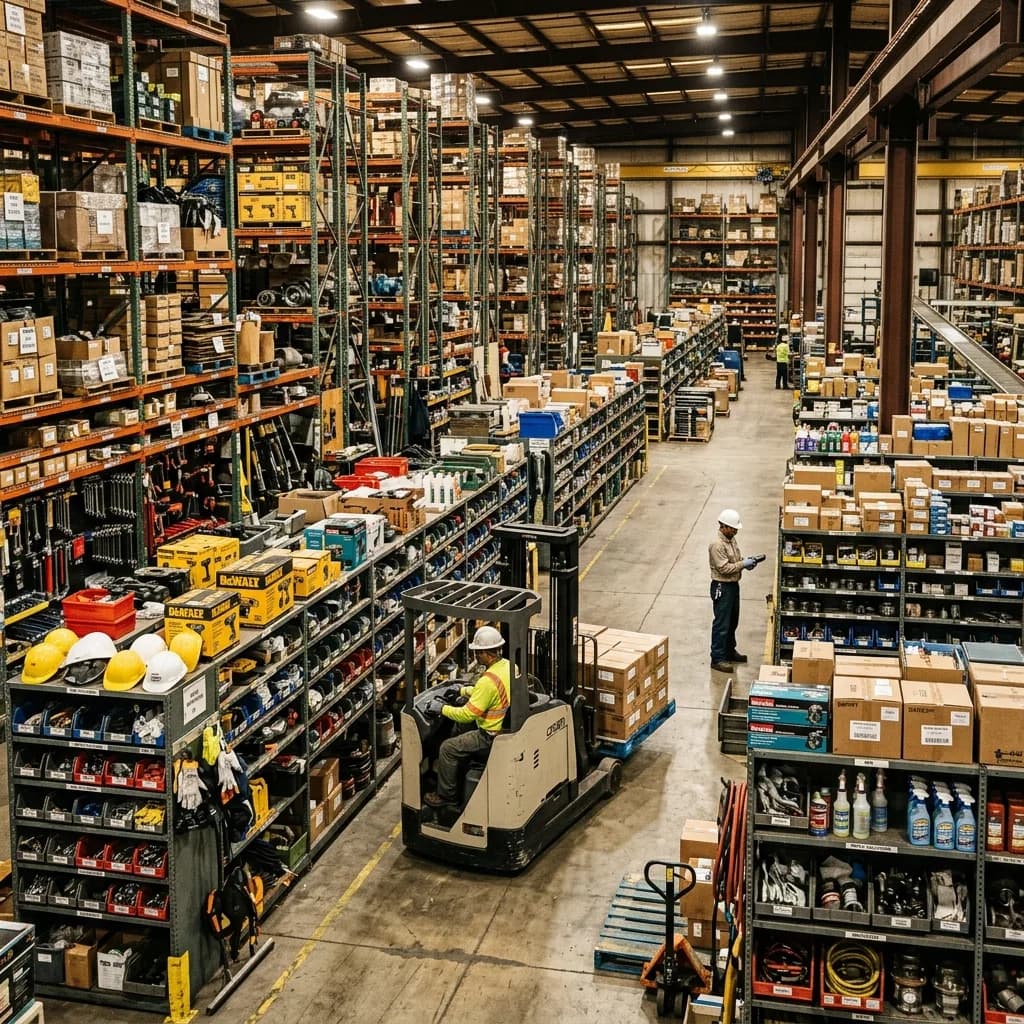
Industrial processes that are safe and run smoothly depend on MRO (Maintenance, Repair, and processes) products. Picking the correct safety gear, lubricants, fasteners, cleaning supplies, and power tools based on quality, compliance, and the dependability of the supplier cuts down on downtime, keeps costs low, and keeps facilities running smoothly.
Things that could go wrong are written down in every building. A conveyor belt seizes. A floor becomes dangerous to walk on. A vital bolt fails inspection. Failures this bad don't happen by chance; they're usually caused by choosing the wrong MRO products.
MRO products cover every consumable, tool, and supply used to maintain equipment, ensure workplace safety, and keep daily operations moving. While they don't make it into the end product, not having them or making the wrong choice can stop the process. For operations managers and procurement teams in manufacturing, warehousing, and facilities management, getting MRO right is a strategic priority, not just a purchasing task.
This post breaks down the essential MRO product categories, the criteria that should guide every purchase decision, and the best practices that separate reactive facilities from truly optimized ones.
What Are the Essential MRO Product Categories?
Safety Equipment
Personal protective equipment (PPE) must be worn at all times. Hard hats, safety glasses, gloves that won't cut, and shoes with steel toes are the basics of any compliant building. Different types of PPE are required by OSHA guidelines for each environment. In most places, choosing certified, properly rated gear is the law, not just a good idea.
As part of a full safety framework, buildings should have first-aid kits, eyewash stations, and fall protection systems available for everyone.
Cleaning and Janitorial Supplies
Keeping things clean, disinfecting, and controlling waste in the workplace isn't the only thing they do. Clean facilities lower the chance of contamination, cut down on slip-and-fall accidents, and help people follow health and safety rules. Janitorial MRO products are especially important for quality control in places that make food and medicines.
Lubrication and Hydraulic Fluids
Broken machinery costs a lot of money. A lot of motor problems can be traced back to not enough or the wrong kind of lubrication. Synthetic lubricants, high-viscosity greases, and special hydraulic fluids keep equipment from rusting, reduce friction, and make it last longer. What kind of lubricant to use relies on the temperature, load, and type of machinery being used.
Fasteners and Hardware
Bolts, screws, nuts, and brackets may not seem important, but using low-quality fasteners in high-stress or high-temperature situations can really cause them to fail. Industrial-grade fasteners from approved suppliers keep structures strong during maintenance jobs on equipment.
Power Tools and Diagnostic Equipment
Diagnostic tools, drills, impact drivers, and torque wrenches help maintenance teams do their jobs quickly and correctly. Buying professional-grade tools cuts down on the time it takes to fix things and the chance that they won't be serviced correctly, which can cause bigger problems down the road.
What Are the Key Criteria for Selecting MRO Products?
How does product quality affect facility downtime?
Low-cost MRO goods rarely save money over time. Cheap lubricants and fixings break down faster, and gloves that aren't made well tear more easily. When you buy high-quality MRO products, you don't have to replace them as often or do unplanned maintenance, which can cost you a lot in labor and production delays.
Premium MRO purchases are especially helpful for places where machines are used a lot, since even a few hours of unplanned downtime can cost more than months of savings on cheaper supplies.
What compliance standards apply to MRO products?
In different industries and places, following the rules is different. In the US, OSHA sets safety rules for workplaces, and ISO certifications cover quality management in all global supply chains. Buyers of MRO should make sure that safety gear has the right certifications (for example, ANSI/ISEA for PPE) and that chemical products meet the requirements of the Safety Data Sheet (SDS).
Products that don't follow the rules can put facilities at risk of liability, failed audits, and worker harm claims.
Why does supplier reliability matter as much as product quality?
An MRO product with all the right specs is useless if it's not in stock when it's needed. A facility's ability to handle unplanned repair is directly affected by how reliable its suppliers are, as shown by lead times, emergency stock availability, and order accuracy.
Teams in charge of buying things should build relationships with several approved providers and talk about service level agreements that include emergency supply guarantees for important types of MRO.
Is cost-effectiveness about price per unit or total cost of ownership?
Both are important, but total cost of ownership (TCO) is the better measure. The TCO is lower for a lube that costs 30% more but lasts twice as long. When you buy things in bulk, like gloves, fasteners, and cleaning supplies that are used a lot, you can save money on each unit without sacrificing quality.
Top MRO Product Recommendations by Category
Safety gear: Source PPE from makers with ANSI, NIOSH, or CE certifications. Brands with documented testing data and clear compliance documentation lower audit risk.
Cleaning solutions: Eco-friendly, biodegradable cleaning products are increasingly available at competitive price points. In addition to helping the environment, these goods make it easier to get rid of hazardous waste and lower the risk of chemical exposure for maintenance staff.
Lubricants: Premium synthetic lubricants from industrial suppliers like Mobil, Shell, or Castrol are formulated for specific equipment types and operating conditions. In places with very high temperatures, synthetic lubricants usually work better than mineral-based ones.
High-strength fasteners with a rating of Grade 8 (SAE) or Class 10.9 (metric) are good for most heavy industrial uses. When you're in a humid or chemically active area, stainless steel won't rust.
Inventory management tools: Digital MRO inventory platforms like Fiix, UpKeep, or MPulse let facilities keep track of stock levels, set automatic reminders to reorder, and look at how much they spend. These tools cut down on both running out of stock and buying too much, which is a common way that MRO spend goes to waste.
What Are the Best Practices for Managing MRO Products Effectively?
Implement preventative maintenance to reduce emergency MRO demand
It is always more expensive to do reactive maintenance than preventative maintenance. Over time, scheduled lubrication, filter changes, and equipment checks use less MRO resources and cut down on the need for expensive and urgent purchases that come up when something breaks down without warning.
Audit MRO inventory regularly to identify waste and gaps
MRO inventory tends to build up wasteful items, redundant SKUs, old parts, and too many items that don't sell very often. These problems are found by regular audits (at least once a year), which free up working capital that can be put toward more important supply categories.
Train staff on proper MRO product use and safety protocols
Misusing MRO goods by using the wrong grade of lubricant, putting on the wrong PPE, or over-torquing fasteners can cause just as many problems as using bad products. Structured training programs make sure that the people who work in operations and maintenance use products safely and correctly.
Diversify your supplier base for supply chain resilience
Most facilities don't realize they are at risk when they count on a single source for important MRO items until there is a supply disruption. Keeping two or three qualified suppliers on hand for high-priority items like lubricants, fasteners, and safety gear protects against delays in a real way.
Investing in MRO Products Pays Off Over Time
Most of the time, MRO products don't get the strategic attention they need. They are usually seen as a cost center that needs to be cut down instead of a function that needs to be improved. When it comes to uptime, safety, and long-term cost control, facilities that run their businesses the best tend to approach MRO in a different way.
Picking good products, dependable suppliers, properly training staff, and using digital tools to keep track of inventory can all help lower the number and severity of working interruptions. The result is a facility that spends less on emergency fixes, meets compliance requirements consistently, and runs closer to its designed capacity.
Start by auditing your current MRO spend. Identify the categories driving the most reactive maintenance, consider whether your present suppliers meet your service level requirements, and explore whether digital inventory tools could close visibility gaps. Over the course of a year, small gains in MRO management add up quickly.
Keep reading
More from the Mantrix blog

FMEA Explained: A Practical Guide to Smarter Risk Management
Organizations can find these risks early with FMEA's help. With FMEA, you don't have to wait for something to go wrong and then rush to fix it.
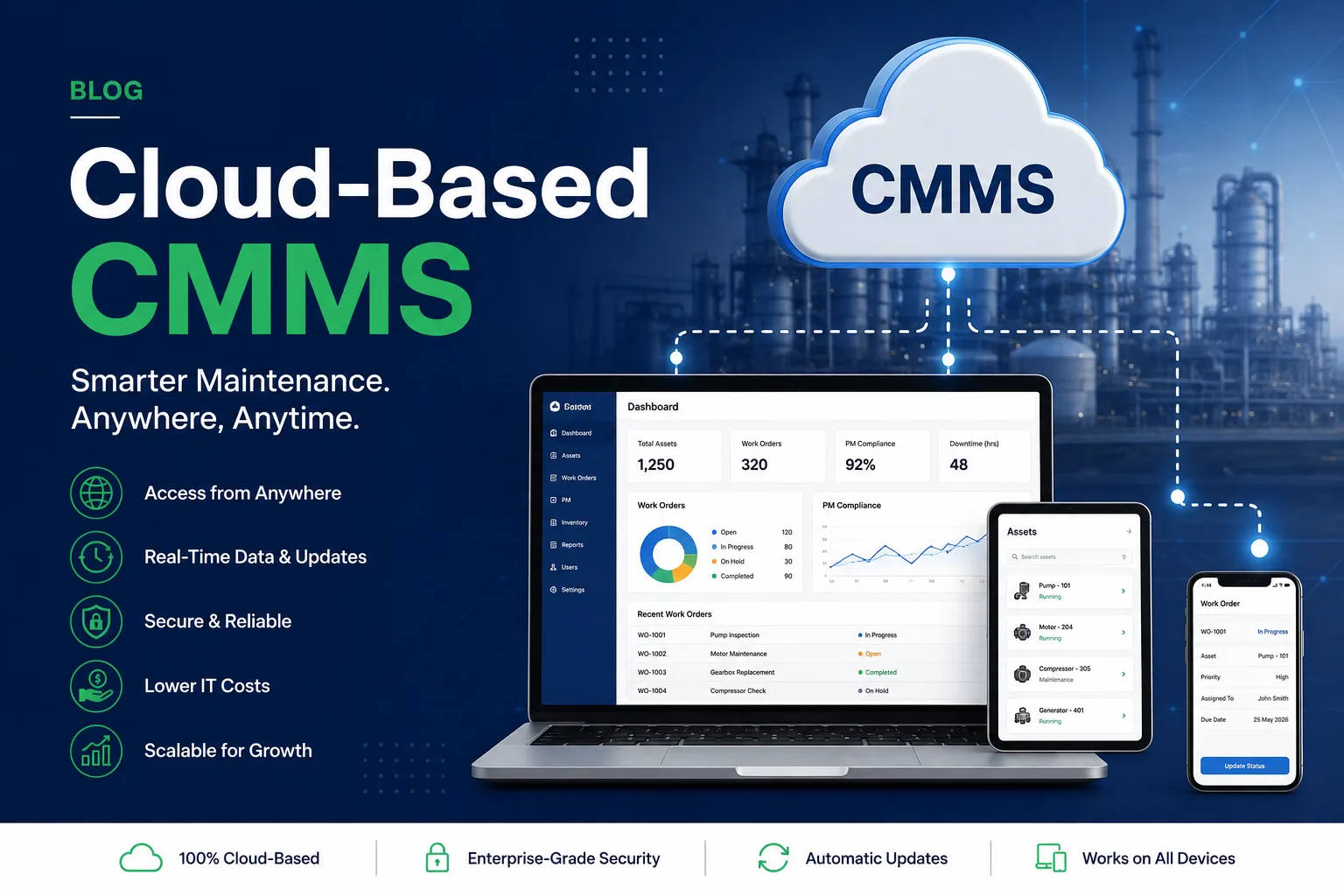
How Cloud-Based CMMS Improves Maintenance Operations
There are many benefits. Improving efficiency isn't the only goal; lowering costs and getting the most out of your investment (ROI) are also important.

Root Cause Analysis in Maintenance Management: A Complete Guide
Root Cause Analysis gives maintenance teams the tools to stop reacting and start preventing. Rather than treating the symptom (the broken part),