Hospital Management
Hospital Equipment Management: Why CMMS Is Important for Pakistani Health Care
As patient needs grow and healthcare demands increase, ensuring that every piece of medical equipment operates at its best is essential for providing quality care. Enter Computerized Maintenance Management Systems (CMMS) a powerful

A big part of healthcare that most people don't think about until something goes wrong is managing hospital tools. In a country like Pakistan, where healthcare facilities face numerous challenges, effective management of medical equipment can mean the difference between life and death. Hospitals are bustling hubs filled with advanced technology designed to save lives, but without proper oversight and maintenance, this technology can quickly become unreliable.
As patient needs grow and healthcare demands increase, ensuring that every piece of medical equipment operates at its best is essential for providing quality care. Enter Computerized Maintenance Management Systems (CMMS) a powerful tool that could revolutionize how Pakistani hospitals manage their resources. By streamlining processes and improving accountability, CMMS holds the key to enhanced efficiency in hospital operations. Let’s explore why implementing these systems is not just beneficial but necessary for the future health landscape in Pakistan.
Challenges Faced by Healthcare Facilities in Pakistan
Healthcare facilities in Pakistan grapple with numerous challenges that hinder effective hospital equipment management. Aging infrastructure is a significant issue, where many hospitals operate outdated machinery prone to frequent breakdowns.
Limited budgets further exacerbate the situation. Many healthcare providers struggle to allocate sufficient funds for maintenance and upgrades, leading to inadequate service delivery.
Supply chain disruptions complicate matters as well. Hospitals frequently face delays in acquiring essential parts needed for repairs, which affects overall operational efficiency.
Inefficient record-keeping systems result in poor tracking of equipment status and maintenance history. This hinders proactive measures and increases downtime during critical moments when every second counts.
What Computerized Maintenance Management Systems (CMMS) Can Do for You
Computerized Maintenance Management Systems (CMMS) offer a wealth of advantages for healthcare facilities. They streamline the management of hospital equipment, ensuring that every piece functions optimally.
With CMMS, tracking maintenance schedules becomes effortless. This proactive approach minimizes equipment downtime and enhances patient care quality.
Additionally, CMMS provides real-time data analytics. Hospitals can monitor usage patterns, helping to make informed decisions about purchasing new assets or retiring outdated ones.
Another significant benefit is improved compliance with health regulations. Automated reminders ensure that inspections and maintenance are conducted on time, reducing the risk of penalties.
Staff communication also improves dramatically through a centralized platform. Technicians can access vital information swiftly, leading to quicker repairs and enhanced operational efficiency.
The integration of mobile solutions further boosts accessibility for technicians in the field, allowing them to update records instantly without returning to their desks.
How CMMS Can Improve Hospital Equipment Management in Pakistan
Implementing a Computerized Maintenance Management System (CMMS) can revolutionize hospital equipment management in Pakistan. With real-time tracking, hospitals can monitor the status of their medical devices at any moment. This leads to timely maintenance and reduces unexpected breakdowns.
A CMMS streamlines work orders and schedules preventive maintenance tasks efficiently. Staff members are told when equipment needs to be serviced, which makes sure it works well and lasts a long time.
Moreover, data analytics provides insights into usage patterns and trends. Hospitals can make informed decisions about purchasing new equipment or retiring old machines based on actual need rather than guesswork.
Training staff on using CMMS also fosters accountability among team members. Everyone understands their responsibilities regarding maintenance practices, leading to a culture of proactive care for hospital assets.
Adopting this technology supports better patient outcomes by ensuring that essential medical equipment is always ready for use.
Case Studies of Successful Implementation of CMMS in Pakistani Hospitals
Several Pakistani hospitals have successfully integrated Computerized Maintenance Management Systems (CMMS) into their operations, revolutionizing how they manage equipment.
One notable example is a large public hospital in Karachi. By adopting a CMMS, the facility reduced downtime of critical medical devices by 40%. Staff could quickly schedule maintenance and track issues in real-time.
Another case is a private healthcare provider in Lahore that improved its inventory management using CMMS. The system provided insights into equipment usage trends, resulting in better purchasing decisions and cost savings over time.
A teaching hospital in Islamabad implemented a cloud-based CMMS to streamline workflows among various departments. This enhanced communication led to faster response times for repairs and increased overall patient satisfaction scores.
These examples highlight how effective Hospital Equipment Management through CMMS can lead to significant operational improvements across different types of healthcare facilities in Pakistan.
Cost Savings and Efficiency Gains with CMMS
Implementing a Computerized Maintenance Management System (CMMS) offers significant cost savings for healthcare facilities. By streamlining maintenance processes, hospitals can reduce downtime and extend the lifespan of their equipment.
With real-time tracking of assets, CMMS enables timely repairs and preventative maintenance. This proactive approach minimizes costly emergency breakdowns, which often disrupt patient care.
Automation also reduces labor costs associated with manual record-keeping. Staff can focus on critical tasks rather than being bogged down by paperwork.
Moreover, CMMS provides valuable data analytics that helps optimize resource allocation. Hospitals can make informed decisions about when to replace aging equipment versus repairing it.
As a result, not only are operational efficiencies improved but financial resources are better managed too. These advantages create more room in budgets for investing in new technologies and services that enhance patient care quality.
Conclusion
The healthcare landscape in Pakistan is evolving rapidly. With increasing patient demands and a surge in medical technology, effective hospital equipment management has never been more crucial. Putting in place a computerized maintenance management system (CMMS) can make a big difference.
A CMMS streamlines processes, ensuring that health facilities maintain their equipment efficiently. Putting in place a computerized maintenance management system (CMMS) can make a big difference.
As Pakistan continues its journey toward modernizing healthcare infrastructure, embracing technology like CMMS will play an essential role in shaping its future. The potential for improved efficiency not only supports healthcare providers but ultimately enhances patient care across the nation. It’s time for stakeholders to recognize the importance of robust hospital equipment management solutions for a healthier tomorrow.
Keep reading
More from the Mantrix blog
Best MRO Products for Manufacturing, Warehousing, and Facilities
Industrial processes that are safe and run smoothly depend on MRO (Maintenance, Repair, and processes) products. Picking the correct safety gear, lubricants,

FMEA Explained: A Practical Guide to Smarter Risk Management
Organizations can find these risks early with FMEA's help. With FMEA, you don't have to wait for something to go wrong and then rush to fix it.
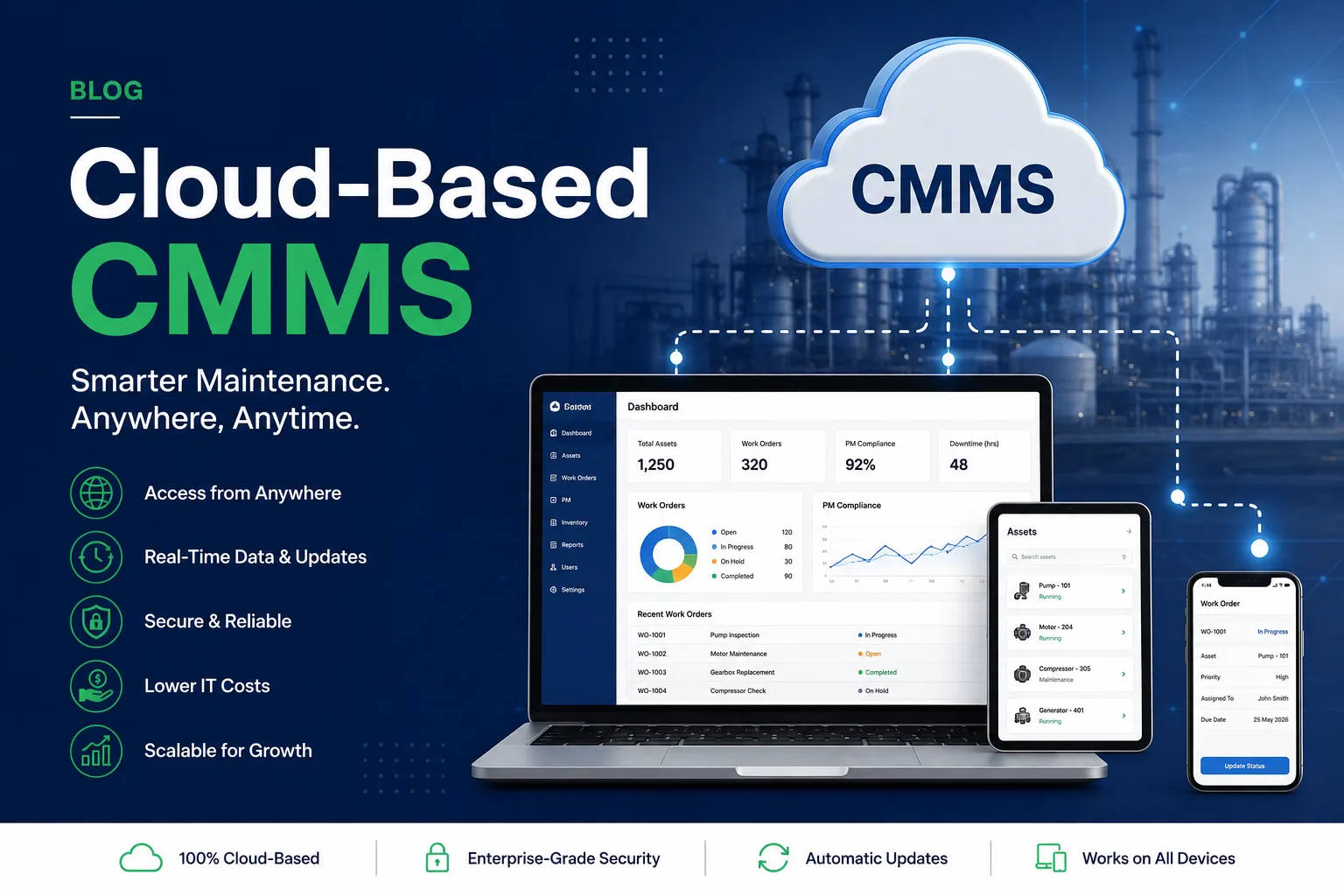
How Cloud-Based CMMS Improves Maintenance Operations
There are many benefits. Improving efficiency isn't the only goal; lowering costs and getting the most out of your investment (ROI) are also important.