Preventive Maintenance Checklist
The Preventive Maintenance Checklist Every Manufacturing Plant Needs
Maintenance teams can keep equipment in good shape in a structured way that they can use again and again with a preventive maintenance checklist.

Factory owners can check, fix, and keep records on equipment before it breaks down with the help of a preventative maintenance checklist. A well-organized checklist that includes things like hydraulic systems, conveyors, electrical panels, motors, and lubrication systems can help all kinds of facilities avoid unplanned downtime, save money on repairs, and get more use out of their equipment.
Plants that make things don't make a lot of money. There are a lot of costs that come up when an important piece of equipment breaks down in the middle of production. Workers can't do their jobs, deadlines are missed, emergency repair bills come up, and safety issues could happen. Most of these mistakes could have been avoided.
Maintenance teams can keep equipment in good shape in a structured way that they can use again and again with a preventive maintenance checklist. Your team doesn't wait for something to break; instead, they inspect, service, and record every important asset on a set schedule. As a result? There won't be as many shocks, the tools will last longer, and it will be safer to work.
Why is it important to keep up with maintenance? This guide tells you which pieces of equipment to pay attention to, how to make a new plan, and the best ways to make proactive maintenance programs work better than reactive ones.
Why Does Preventive Maintenance Matter for Manufacturing Plants?
A report from 2016 by Aberdeen Research says that unplanned downtime costs industrial manufacturers $532,000 per hour on average. Even for smaller businesses, one sudden breakdown can cost a lot of money. This can be avoided completely with the right processes in place.
A organized preventive maintenance checklist does the following:
Not as many unplanned failures. Regular inspections catch early warning signs unusual vibrations, temperature spikes, fluid leaks before they escalate into full equipment failures.
Less expensive to fix. Replacing a worn bearing during a planned maintenance window costs a fraction of what an emergency repair costs after a motor seizes.
Extended equipment lifespan. Machines that are regularly oiled, cleaned, and calibrated just last longer. This pushes back the cost of buying new equipment.
Improved workplace safety. Faulty equipment is a major cause of workplace injuries. By making sure all systems work within safe limits, preventive maintenance lowers the risk of accidents.
Higher productivity. When equipment runs reliably, production schedules hold. Teams spend less time firefighting and more time on value-adding work.
What Equipment Should Be on Your Preventive Maintenance Checklist?
When something breaks, not all of it poses the same risk. Put assets that are important for keeping output going, hard to replace quickly, or connected to safety systems at the top of the list.
Hydraulic and Pneumatic Systems
Often check the fluid amounts, pressure settings, hose condition, and filter cleanliness. One of the main reasons why hydraulic systems break down is contaminated hydraulic fluid, so fluid analysis should be a part of any thorough inspection.
Conveyor Belts and Material Handling Equipment
Check the tension, alignment, rollers, and drive parts of the belt. Conveyor belts that aren't lined up right can wear unevenly and cause expensive and possibly dangerous material spills or belt snaps.
Electrical Systems and Control Panels
Check for broken or loose connections, signs of overheating, corroded terminals, and switches that have been tripped. Electrical problems are a major reason why factories have to stop working and put out fires.
Motors, Pumps, and Compressors
Check for noise, vibration, and heat that don't seem normal. Align the shaft, check the state of the coupling, and look for places to put oil. A motor that is about to break down will often show early warning signs weeks before it actually does.
Lubrication and Cooling Systems
Make sure that the right grade of lubricant is used at the right times at the lubrication points. Check cooling systems for leaks, blockages, and the right amount of water. The Machinery Lubrication Institute says that improper lubrication is the only reason why about half of all bearing failures happen.
How Do You Build a Preventive Maintenance Checklist Step by Step?
Step 1: Document Every Asset in Your Facility
First, make a full list of all the tools you have. Write down the make, model, serial number, location, and present state of each asset. This is what your plan is built on; you can't keep track of things that you haven't written down.
Step 2: Set Maintenance Frequencies Based on Manufacturer Guidelines and Usage
Check the original equipment manufacturer (OEM) guides to find out how often to get your equipment serviced. Change these depending on how the equipment is actually used; high-use equipment may need more frequent maintenance than what the factory settings suggest.
Step 3: Assign Clear Ownership for Every Task
For each maintenance job, there should be a clear person or team in charge. When there is confusion, jobs are skipped or done twice. Giving someone responsibility also makes it possible to measure it.
Step 4: Log All Maintenance Activities and Build Historical Records
Keep a record of every service, fix, and inspection. Write down what was found, when it was done, and who did it. This information shows patterns over time, like which pieces of equipment break down most often, which parts wear out the fastest, and where your maintenance schedule needs to be changed.
Step 5: Use Digital Maintenance Management Tools
Computerized Maintenance Management Systems (CMMS) like Fiix, UpKeep, or Maintenance Connection make it easier to keep track of records, send reminders, and automate schedules. Digital tools get rid of the need for paper gaps and let managers see at a glance how repair is going across the whole building at any time.
What Are the Best Practices for Running a Preventive Maintenance Program?
Putting together a list is just the beginning. Results depend on execution.
Train your maintenance team thoroughly. Not only should technicians know what to check, but they should also know why each check is important and what red flags to look for. Competent inspectors catch more issues earlier.
Schedule maintenance during planned low-production windows. Coordinate with production planners to perform maintenance during shift changes, weekends, or scheduled downtime. This minimizes production impact without compromising inspection quality.
Keep a supply of spare parts for important equipment on hand. A two-hour fix can turn into a two-week shutdown if the part is back ordered. Stockpiling common wear items belts, seals, bearings, filters keeps repairs fast.
Check your list often and make changes as needed. New failure modes appear when equipment is changed, production rates are changed, or both. Review your checklist at least quarterly to ensure it reflects current conditions.
Keep an eye on key performance indicators (KPIs). Metrics like Mean Time Between Failures (MTBF), planned maintenance compliance rate, and overall equipment efficiency (OEE) tell you whether your program is actually working or just generating paperwork.
Start Protecting Your Plant Before the Next Breakdown
A preventative maintenance checklist turns maintenance from a chaotic, last-minute rush into a planned, data-driven process. When plants commit to structured preventive maintenance, they spend less on emergency fixes, get more use out of expensive assets, and make the workplace safer for their employees.
The good news: you don't need a perfect program on day one. Start by making a list of your assets, setting up basic inspection times, and figuring out who owns what. Build from there. As preventive maintenance is done regularly, the benefits keep growing over time. There are fewer mistakes, better data, and a maintenance team that fixes issues before your production manager even knows they exist.
Getting the right preventive maintenance checklist is one of the best ways to make sure your facility runs smoothly, no matter how many complex systems it manages or how many production lines it has.
Keep reading
More from the Mantrix blog
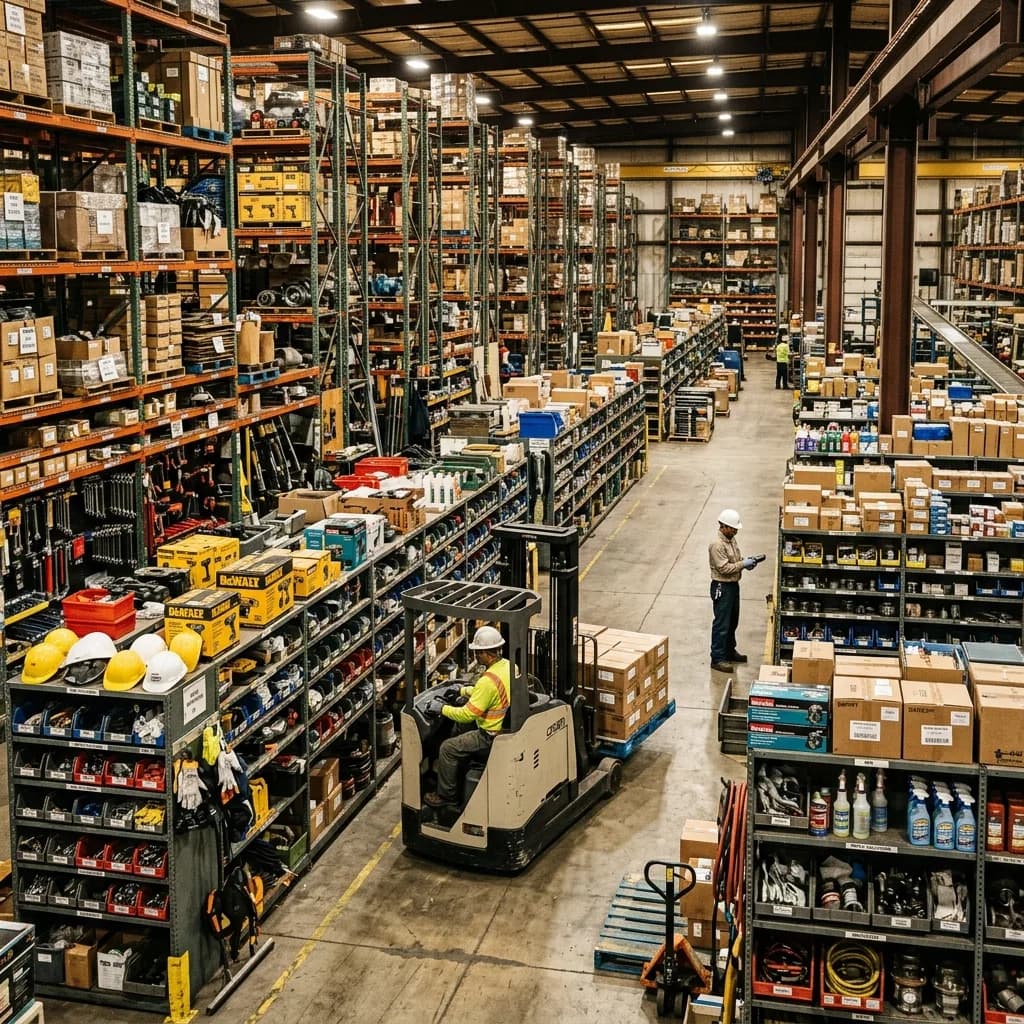
Best MRO Products for Manufacturing, Warehousing, and Facilities
Industrial processes that are safe and run smoothly depend on MRO (Maintenance, Repair, and processes) products. Picking the correct safety gear, lubricants,

FMEA Explained: A Practical Guide to Smarter Risk Management
Organizations can find these risks early with FMEA's help. With FMEA, you don't have to wait for something to go wrong and then rush to fix it.
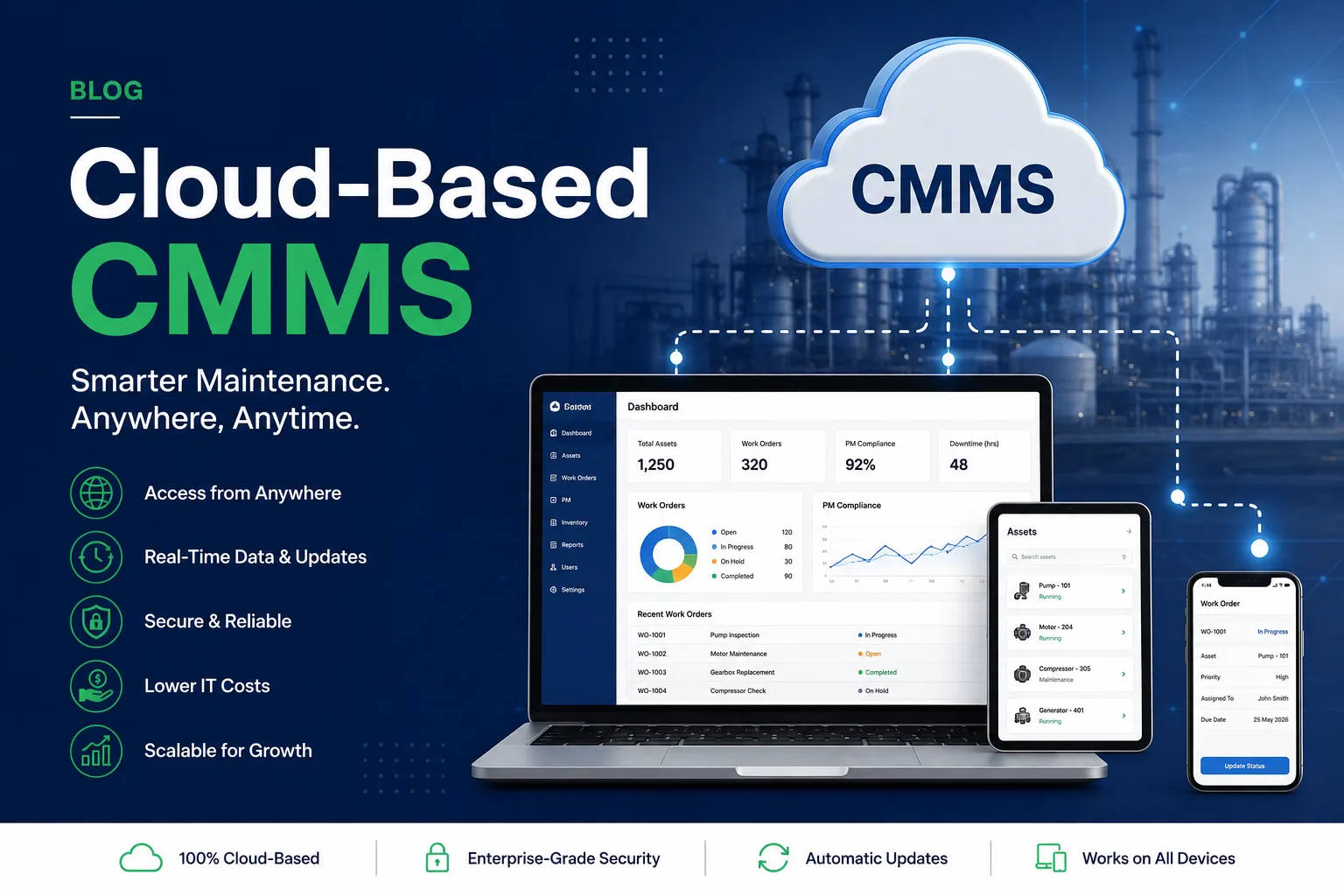
How Cloud-Based CMMS Improves Maintenance Operations
There are many benefits. Improving efficiency isn't the only goal; lowering costs and getting the most out of your investment (ROI) are also important.