Work Order Management
The Top Benefits of Work Order Management Software
Work order management software is a digital way to organize this practical chaos. From a single dashboard, these specialized platforms let you plan, keep track of, and carry out maintenance chores.

With work order management software, jobs are given out automatically, work is tracked in real time, and resources are used in the best way possible. These tools help businesses cut down on operational downtime, lower administrative costs, stay in line with regulations, and make data-driven choices about maintenance by centralizing communication and data.
There are a lot of moving parts that need to be managed when you run a facility- or service-based business. Lots of repair requests, personnel running all over the place with critical data getting lost in stacks of paper or abandoned spreadsheets. This disorganized way of doing things often causes repairs to be held up, customers to be angry, and running costs to rise.
Work order management software is a digital way to organize this practical chaos. From a single dashboard, these specialized platforms let you plan, keep track of, and carry out maintenance chores. Managers can see everything that's going on in the business every day, and technicians get clear directions right on their phones.
Getting the right tools can completely change how a business works. Companies can switch from a reactive maintenance approach to a proactive one. This change saves companies money, extends the life of their assets, and makes sure that teams can work together easily. We'll talk about how these tools help modern businesses below.
How does work order management software streamline daily operations?
The success of any repair team depends on how well they run their business. People make mistakes when they do things by hand, which slows down response times. These problems are completely taken care of by digital tools.
Why is automated work order creation important?
Processing work orders by hand involves calls, emails, and paper forms. Work order management software gets rid of these steps that need to be done by hand by creating tasks automatically. When a piece of equipment breaks down or the date for routine repair comes up, the system creates a detailed work order and sends it to the right technician based on their skills and availability. With this automation, no job will be missed, and repairs will start right away.
What is the advantage of real-time tracking and monitoring?
Managers need to know how jobs are going without having to keep interrupting their workers. Digital management tools let you see all of your open, ongoing, and finished tasks at the same time. Managers can see right away when a job begins, stops, or is finished. This openness lets leaders make quick changes if an emergency repair needs to be made, making sure that important problems get immediate attention.
How does software improve resource allocation?
To put the right person on the right job, you need to know how much work everyone on your team has. Platforms for management show technician schedules, available tools, and location information all in one place. Dispatchers can easily send technicians to the right places, cutting down on travel time and increasing work hours. Allocating resources correctly keeps workers from getting burned out and makes sure that expensive tools are used correctly.
How can software that helps you keep track of work orders save your company money?
When you buy new technology, you need to see a clear return on your money. Management software has a direct effect on the bottom line by getting rid of waste and keeping expensive tools from breaking down.
How does predictive maintenance reduce operational downtime?
Breakdowns of equipment stop work and cost businesses a lot of money in missed productivity. Work order software keeps track of an asset's past and sends out service requests before a failure happens. This is called predictive maintenance. Fixing small problems quickly stops big problems from happening, which greatly cuts down on costly business downtime.
In what ways can software optimize inventory management?
Without the right parts, technicians can't finish the fixes. Management systems keep real-time records of inventory levels and take things out of stock automatically as they are used on a job. When supplies drop below a certain level, the program can let managers know. This tight inventory control keeps companies from ordering too many parts, lowers the cost of storage, and makes sure that technicians never show up to a job site without the right tools.
Why do administrative costs decrease with digital systems?
Filing papers, printing schedules, and entering data by hand all take up important administrative time. Companies save a lot of time and money on administrative work by digitizing these tasks. The administrative staff can shift their attention to strategy planning and customer service, which will help the business as a whole do better.
How does management software enhance team communication?
Jobs are late and work has to be done twice because of poor communication. Digital platforms use a single method to connect everyone in the company.
Why is a centralized information hub necessary?
Siloed information leads to misunderstanding. All operational data comes from a central work order system, which is like a single point of truth. Technicians, managers, and administrative personnel can all access the most recent information regarding buildings and assets. This makes sure that everyone is aware of what's going on with them.
How does software enable seamless team collaboration?
Modern management platforms have features like status updates, in-app messaging, and picture attachments. If a technician runs into an unexpected issue on the job site, they can upload a picture and quickly ask a senior engineer for help. This smooth working together makes things go more quickly and fixes are better.
What improves vendor and client communication?
A lot of the time, businesses work with outside contractors and do work for people other than themselves. Work order software lets managers send jobs straight to outside contractors and keep an eye on how they're doing. Furthermore, the system can automatically send clients email or text messages to let them know how their service requests are going without them having to do so themselves.
How does data analytics improve maintenance strategies?
Gut feelings cannot drive a successful maintenance program. Data-driven insights give leaders the clarity needed to optimize their departments.
What insights do analytics and reporting capabilities provide?
Over time, software tools gather huge amounts of operational data. This data is analyzed by built-in reporting tools to show how well technicians are doing, how reliable assets are, and how long repairs usually take. Managers can make their own reports with clear data for executives to see.
How can data help identify trends and operational bottlenecks?
When you look at old records, you can see problems that keep happening. If a certain HVAC unit needs repairs every month, the numbers will make it clear that it is cheaper to buy a new one than to keep fixing it. Companies can wisely spend their capital budgets when they know about these trends.
Why is predictive maintenance highly effective?
Systems can guess what will happen in the future by using data from the past. The software figures out how long parts are likely to last and plans repair for right before they're due to break. This proactive method makes expensive assets last longer and gets the best return on investments.
How does work order software support compliance and safety?
Businesses can avoid lawsuits and fines by keeping their workplaces safe and following the rules set by their industry.
Why are digital audit trails critical for compliance?
Regulatory bodies often want proof that certain repair steps were taken. Work order systems keep track of everything that happens, like who does the work, when it's done, and what items were used. This digital audit trail makes getting ready for checks quick and easy.
How does software ensure adherence to safety standards?
Technicians must follow safety rules before starting a dangerous job. Software for management can make workers go through digital safety checklists before they can see the real instructions for the job. This enforcement makes sure that safety is the most important thing on every job.
What role does software play in proactive risk mitigation?
Software naturally lowers risk by making sure that safety rules are followed and equipment works properly. Regular, written inspections that look for possible dangers help keep the workplace safe and protect the company's reputation.
Can work order software scale with a growing business?
When a business grows and adds new sites or services, its software needs to be able to keep up.
How do management tools adapt to changing business needs?
Work order software in the cloud is easy to expand. It only takes a few clicks to add new users, buildings, or assets to the system. To support their growth, businesses don't have to buy whole new systems or set up a lot of complicated gear.
Why is integration with ERP and CRM systems valuable?
Work order software in the cloud is easy to expand. It only takes a few clicks to add new users, buildings, or assets to the system. To support their growth, businesses don't have to buy whole new systems or set up a lot of complicated gear.
What should you look for when choosing work order software?
Selecting the correct platform ensures a smooth rollout and high adoption rates among employees.
Which key features are essential for modern teams?
Look for platforms offering strong mobile accessibility so field technicians can use the software easily on their smartphones. Customization options are also crucial, allowing you to tailor work order templates to your specific industry. A user-friendly interface ensures that even less tech-savvy employees can navigate the system comfortably.
What implementation factors should you consider?
Before signing a contract, evaluate the vendor's implementation support. Ask about data migration services to transfer your existing records into the new system. Ensure the vendor provides comprehensive training for your staff and responsive ongoing customer support to resolve any technical issues quickly.
Take the Next Step Toward Operational Efficiency
Work order management software provides undeniable value to modern organizations. By automating daily tasks, improving team communication, and leveraging data analytics, these platforms reduce operational costs and prevent equipment downtime. Furthermore, they keep facilities compliant with safety regulations and scale effortlessly as your company grows.
If your team is still relying on paper forms and spreadsheets, you are losing valuable time and money. Explore available work order management solutions today, request software demos, and discover how digital transformation can elevate your maintenance operations.
Keep reading
More from the Mantrix blog
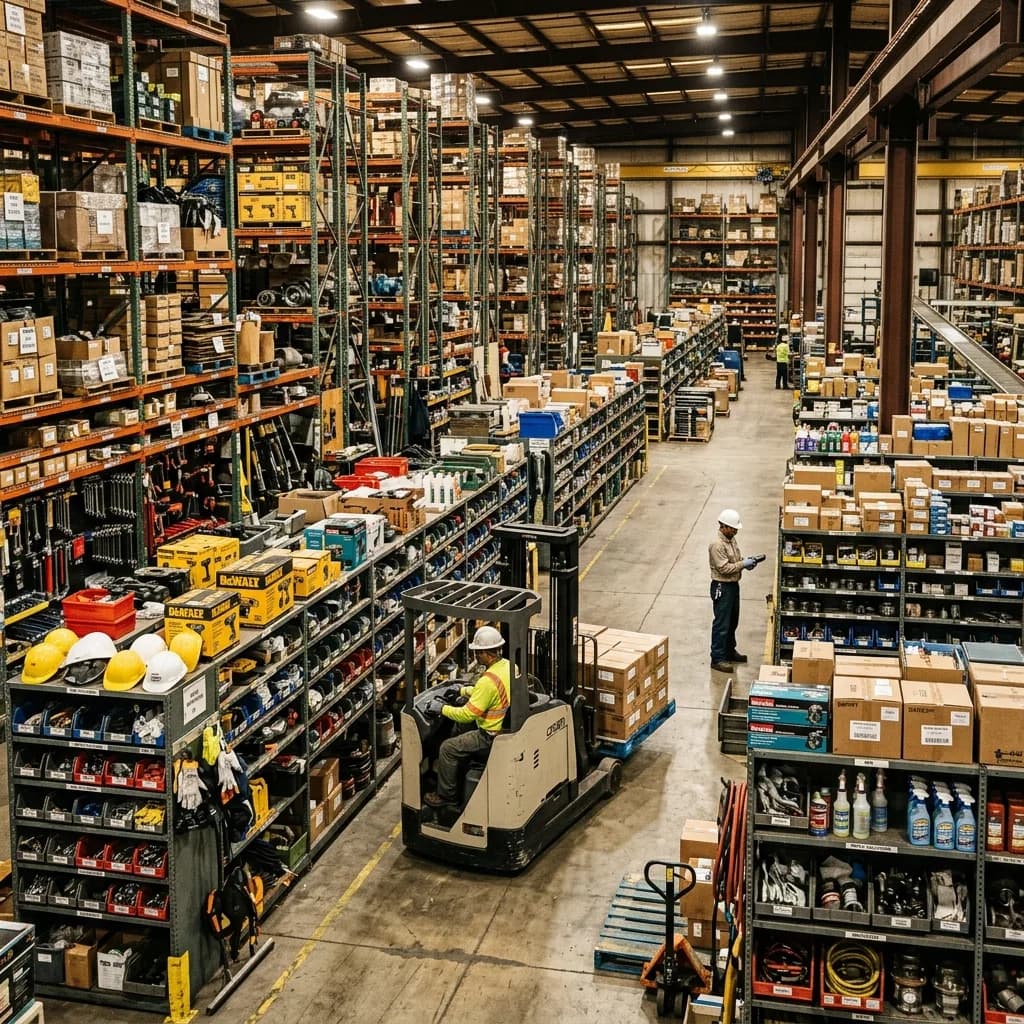
Best MRO Products for Manufacturing, Warehousing, and Facilities
Industrial processes that are safe and run smoothly depend on MRO (Maintenance, Repair, and processes) products. Picking the correct safety gear, lubricants,
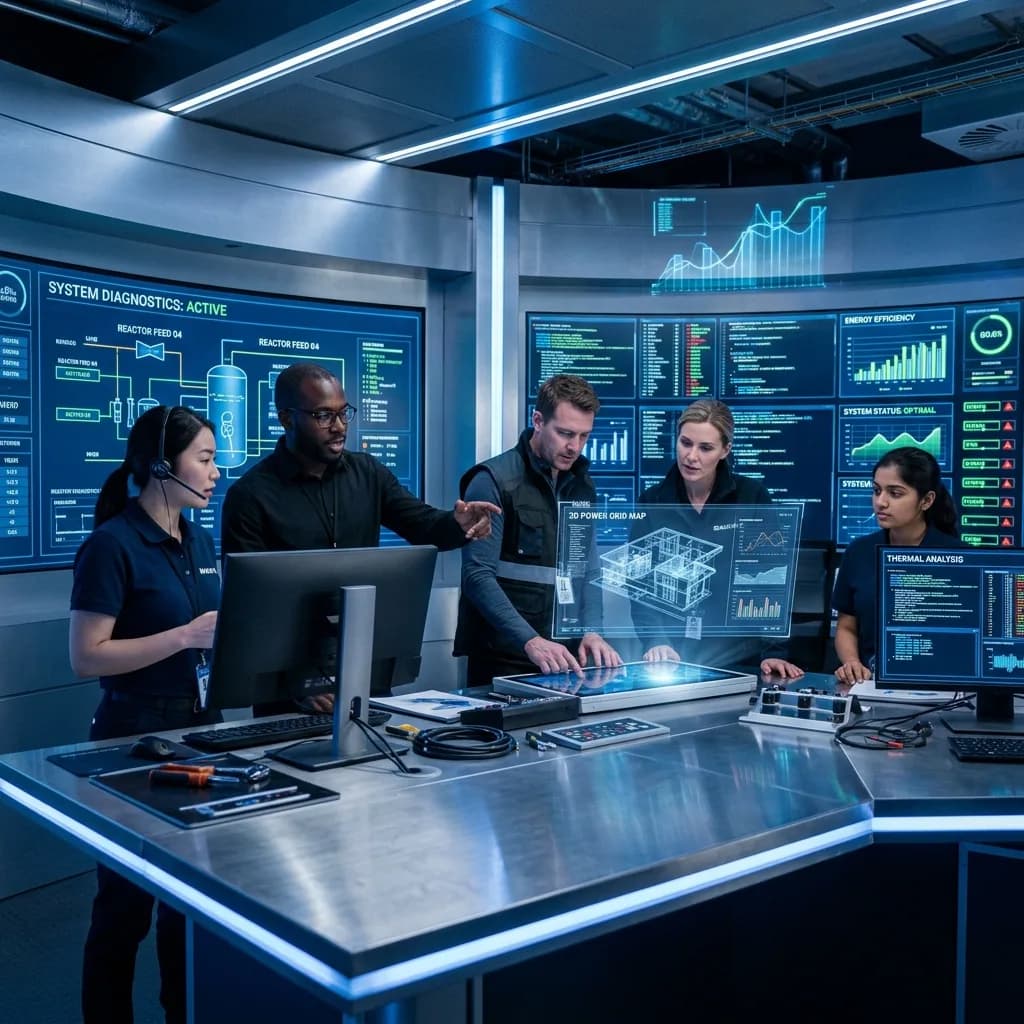
FMEA Explained: A Practical Guide to Smarter Risk Management
Organizations can find these risks early with FMEA's help. With FMEA, you don't have to wait for something to go wrong and then rush to fix it.
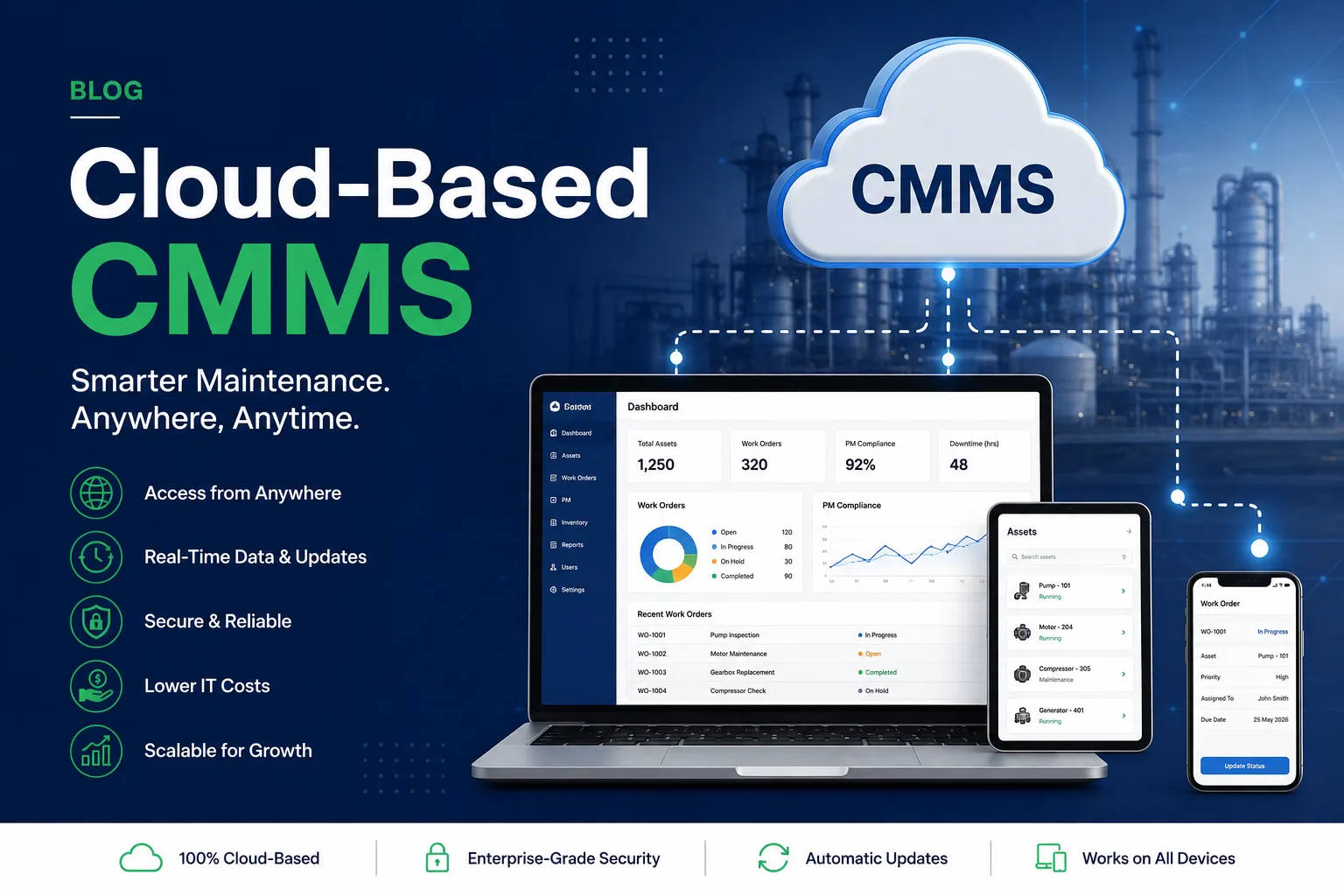
How Cloud-Based CMMS Improves Maintenance Operations
There are many benefits. Improving efficiency isn't the only goal; lowering costs and getting the most out of your investment (ROI) are also important.