Asset Management
Asset Management Software for Manufacturing: A Complete Guide
When companies use asset management software, they can keep track of all their physical assets, machinery, equipment, and inventory from a single platform.
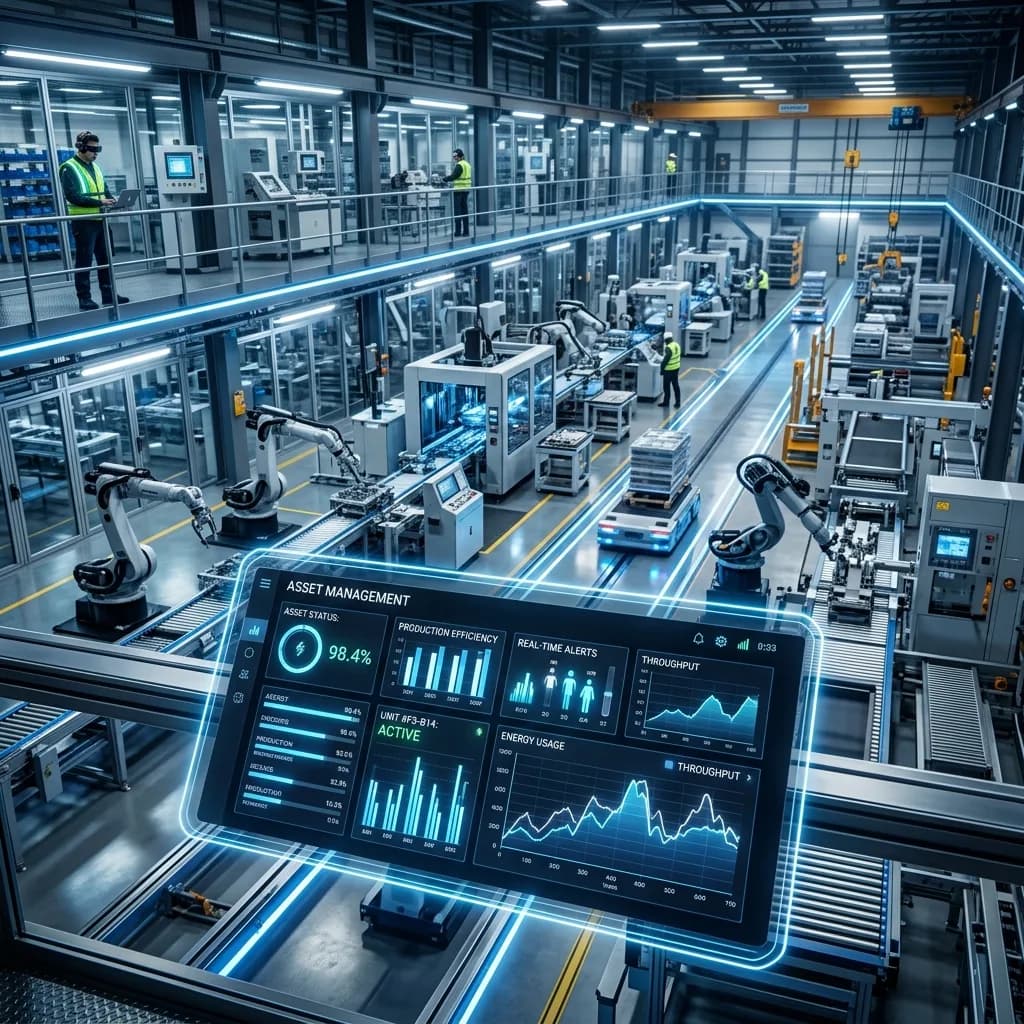
When companies use asset management software, they can keep track of all their physical assets, machinery, equipment, and inventory from a single platform. This leads to less downtime, lower maintenance costs, and better compliance.
Managing physical assets in manufacturing is harder than it looks. Things break down when you least expect them, and teams run out of stock at the worst times. Traditional asset tracking methods can't keep up with operations managers who are responsible for a lot of moving parts.
Asset management software for manufacturing centralizes everything, giving teams real-time visibility into equipment health, maintenance schedules, and inventory levels. This means there are fewer surprises, more uptime, and measurable cost savings. This guide goes over why these tools are important, what to look for, and how to get the most out of them.
Why Traditional Asset Management Falls Short in Manufacturing
Many manufacturers continue to use spreadsheets, paper logs, or outdated systems that are not internet-connected to keep track of their assets. There are big weak spots with these methods.
When upkeep records are kept in spreadsheets, information quickly becomes out of date. Technicians forget when repair windows are. Things break down without warning. At the same time, inventory managers buy too much to make up for the lack of visibility, which locks up capital in extra stock.
Following the rules makes things much more complicated. Auditors need thorough records of inspections, calibrations, and maintenance work. It takes a long time and might not work out right. One lost record can lead to a failed audit or a fine from the government.
Disconnected info and making decisions on the spot are both signs of a bigger problem.
How Asset Management Software Transforms Manufacturing Operations
These problems are directly fixed by modern asset management software, which changes makers' operations from reactive to proactive.
How does predictive maintenance reduce manufacturing downtime?
Predictive maintenance finds problems with tools before they break down by using real-time sensor data and trends in past performance. This information is put together by asset management software, which sends out alerts when a machine starts to show signs of wear or performance loss.
There is a big effect. Deloitte says that predictive maintenance can cut down on machine breakdowns by up to 70% and save 25% on maintenance costs. Even one hour of unexpected downtime can cost tens of thousands of dollars in places that make a lot of things.
How does asset management software improve inventory optimization?
Inventory that is tied to physical assets like spare parts, consumables, and raw materials—is typically hard to keep track of by hand. Asset management software links records of inventory to records of equipment, so teams know what parts they have on hand, what they need to buy, and what they need to restock before something breaks down.
This takes away the guessing that causes both too much and too little stock. When you have less goods, you waste less and pay less to store it.
What role does asset management software play in compliance and reporting?
It's important to keep detailed records in manufacturing in order to meet compliance requirements like ISO licenses, OSHA standards, or industry-specific rules. Inspections, maintenance, and calibration records are instantly recorded by asset management software, along with timestamps and notes from technicians.
Compliance reports can be made in minutes instead of days during an audit. It is easy to run the business and there is less chance of getting fined.
What is the ROI of asset management software for manufacturers?
Usually, the return on investment comes from three places: less downtime, lower upkeep costs, and fewer fines for not following the rules. A study by Plant Engineering says that unplanned downtime costs manufacturers across all businesses about $50 billion a year. Software that stops even a small number of these mistakes brings in money that can be measured.
Aside from saving money, better asset utilization also increases the life of tools, which delays the need to buy new ones.
What Features Should You Look for in Manufacturing Asset Management Software?
Not all asset management platforms are built for the demands of manufacturing. What's most important are these core things:
Real-time asset tracking: Know where every asset is, what condition it's in, and when it was last serviced.
Maintenance scheduling and alerts: Automate preventive maintenance workflows and receive notifications before service windows are missed.
Inventory management integration: Directly connect asset records to spare parts and consumables.
Compliance and audit trails: Automatically log all activities with searchable, exportable records.
Mobile accessibility: Technicians need to update records from the shop floor, not just a desktop.
Analytics and reporting dashboards: Turn raw asset data into actionable insights for operations and finance teams.
IoT and sensor integration: Connect with existing sensors and monitoring hardware for real-time performance data.
Choose a platform that scales with your operation. A mid-sized plant has different needs than a multi-site enterprise, so verify that the software supports your current size and anticipated growth.
Best Practices for Implementing Asset Management Software in Manufacturing
A strong base will only work if it is implemented well. These actions lead to better acceptance and results:
Do an analysis of your assets first. Before you move your data to a new system, you should make a list of all of your physical assets, including their state, location, history of maintenance, and who owns them. From the start, insights that are based on incomplete facts are not reliable.
Make clear who owns what. Each item should have a person or team that is responsible for it. To keep things from getting missed during the change, this is done.
Before going live, train your teams. There are different ways for technicians, supervisors, and managers to use asset management tools. Everyone knows how to use the features that are important to their job thanks to training that is tailored to each role.
Slowly integrate. Instead of making all the changes at once, add sections one at a time. For example, start with scheduling maintenance, then add inventory management, and finally compliance tracking. This keeps things running smoothly and helps teams feel more confident.
Real-World Success: Asset Management in Action
A mid-sized car parts manufacturing company installed asset management software in all its three production sites. In the first year, the company cut unexpected downtime by 38% and the cost of keeping spare parts in stock by 22%. The time it took to get ready for a compliance check went from five days to less than eight hours.
A company that makes food and drinks and had a lot of equipment breakdowns in its packaging line used predictive maintenance to figure out what was wrong with a certain closing machine. Taking care of those problems ahead of time saved about $180,000 in repair and downtime costs over 18 months.
When producers switch from reactive to data-driven asset management, they see clear improvements in how well they run their businesses and how much money they make.
AI and IoT will be used together in asset management in the future.
Software for managing assets is changing quickly. AI and the Internet of Things (IoT) are two technologies that are changing what is possible.
IoT-enabled monitors constantly send data about how well equipment is working to platforms for managing assets. With this, you can see in real time the temperature, shaking, output rates, and other details of every machine on the floor. Over time, AI systems get better at looking through these data streams to find oddities, predict failure points, and suggest maintenance actions.
Digital twin technology creates virtual copies of real equipment. This lets manufacturers test maintenance situations and changes to operations before putting them into action on the floor. This lowers the risk and speeds up the decision-making process.
As these technologies improve and get cheaper, smaller makers will be able to use features that were once only available to big businesses.
Maximizing Efficiency and Profitability Through Smarter Asset Management
Manufacturing asset management software works best when it's seen as an investment in the long term, not just a tool for getting things done. The manufacturers who use these tools to drive continuous improvement looking at trends, making maintenance schedules better, and making sure that asset performance is in line with overall production goals are the ones who are making the most progress.
Start by listing your most important pain points: Is unexpected downtime the hardest thing for you? Inefficient use of inventory? Risk of compliance? Use these objectives to help you choose software and plan how to install it.
There is already technology that can help you better handle your assets. The question is how fast it works for you.
Keep reading
More from the Mantrix blog
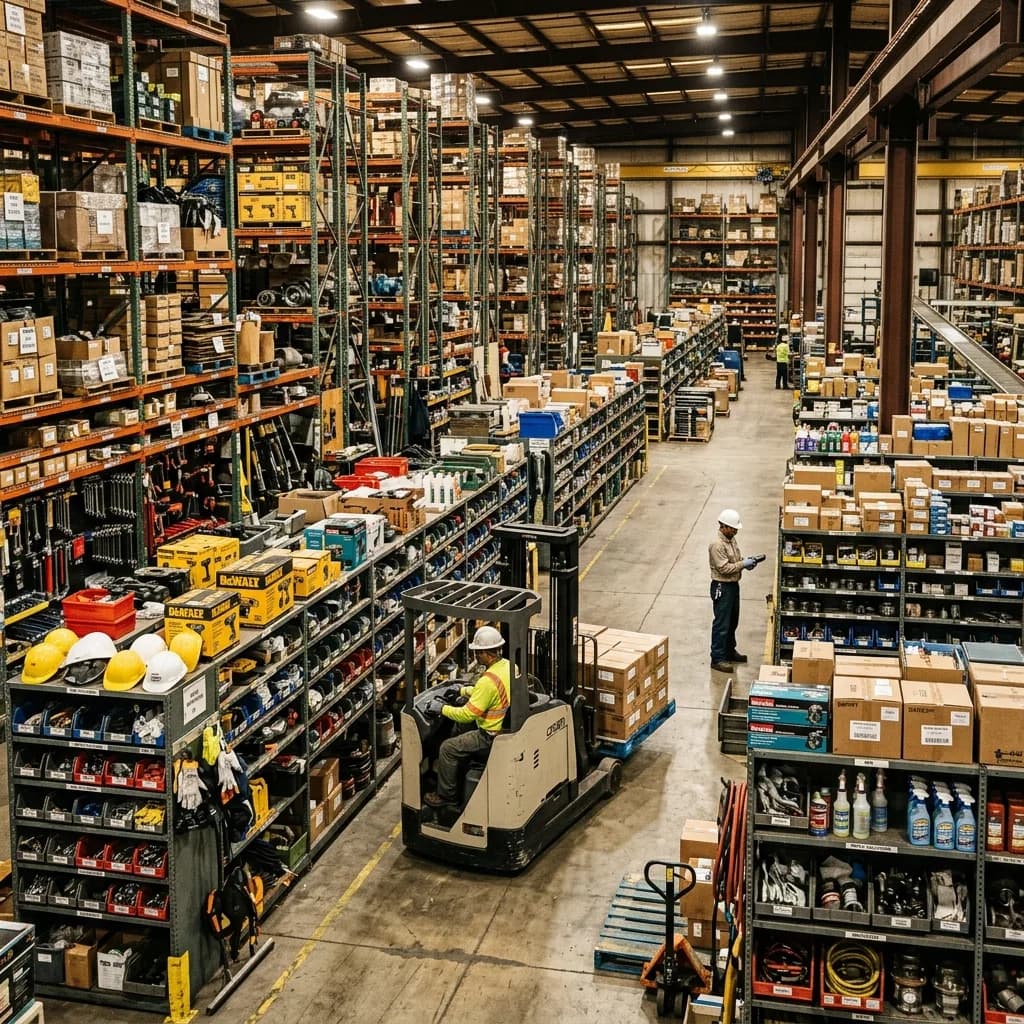
Best MRO Products for Manufacturing, Warehousing, and Facilities
Industrial processes that are safe and run smoothly depend on MRO (Maintenance, Repair, and processes) products. Picking the correct safety gear, lubricants,

FMEA Explained: A Practical Guide to Smarter Risk Management
Organizations can find these risks early with FMEA's help. With FMEA, you don't have to wait for something to go wrong and then rush to fix it.
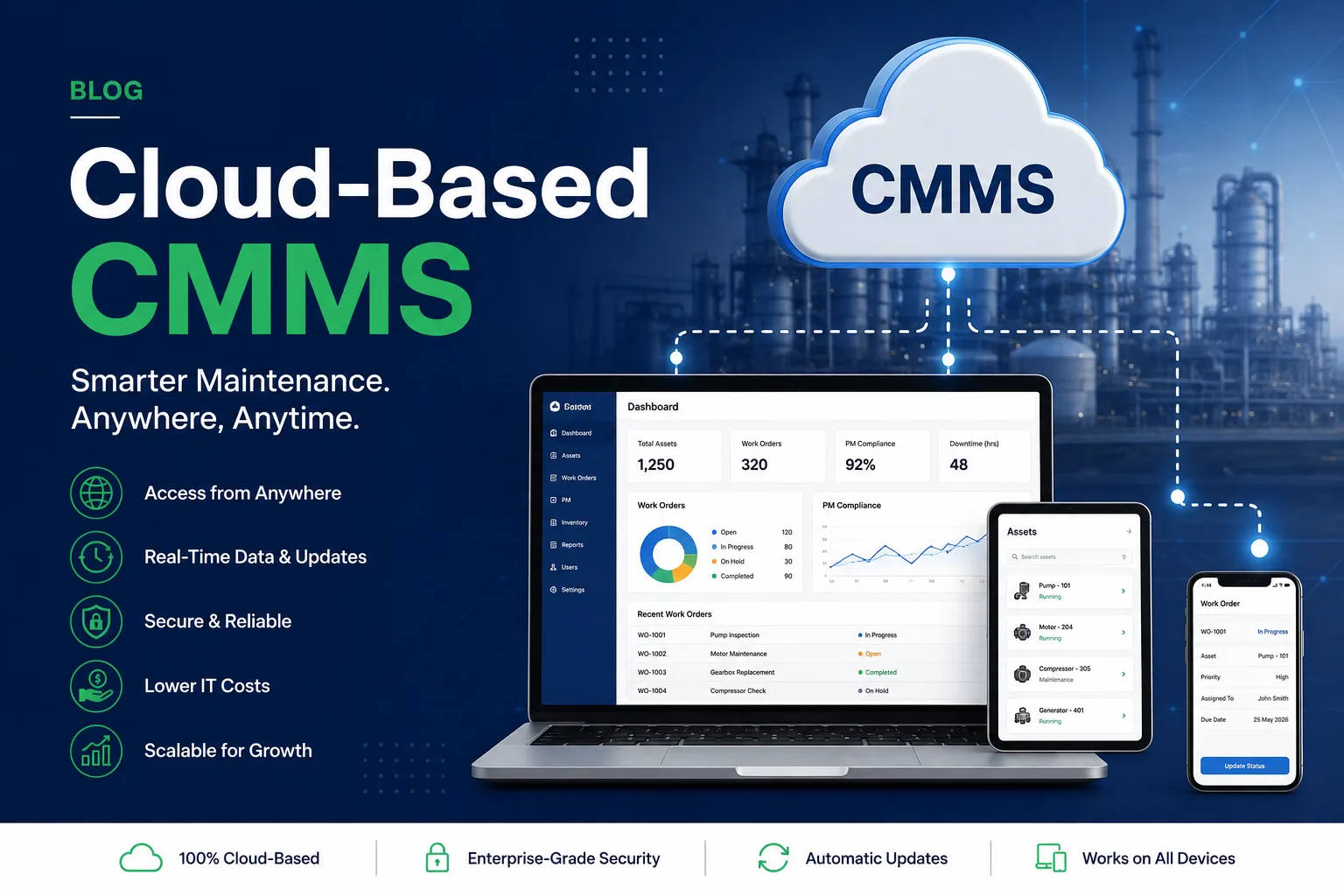
How Cloud-Based CMMS Improves Maintenance Operations
There are many benefits. Improving efficiency isn't the only goal; lowering costs and getting the most out of your investment (ROI) are also important.