Maintenance management
How to Reduce Factory Maintenance Costs by 25% in Pakistan Using CMMS Software
Maintenance costs are one of the most persistent drains on manufacturing budgets across Pakistan. Equipment breaks down without warning, spare parts pile up in storage, and technicians spend more
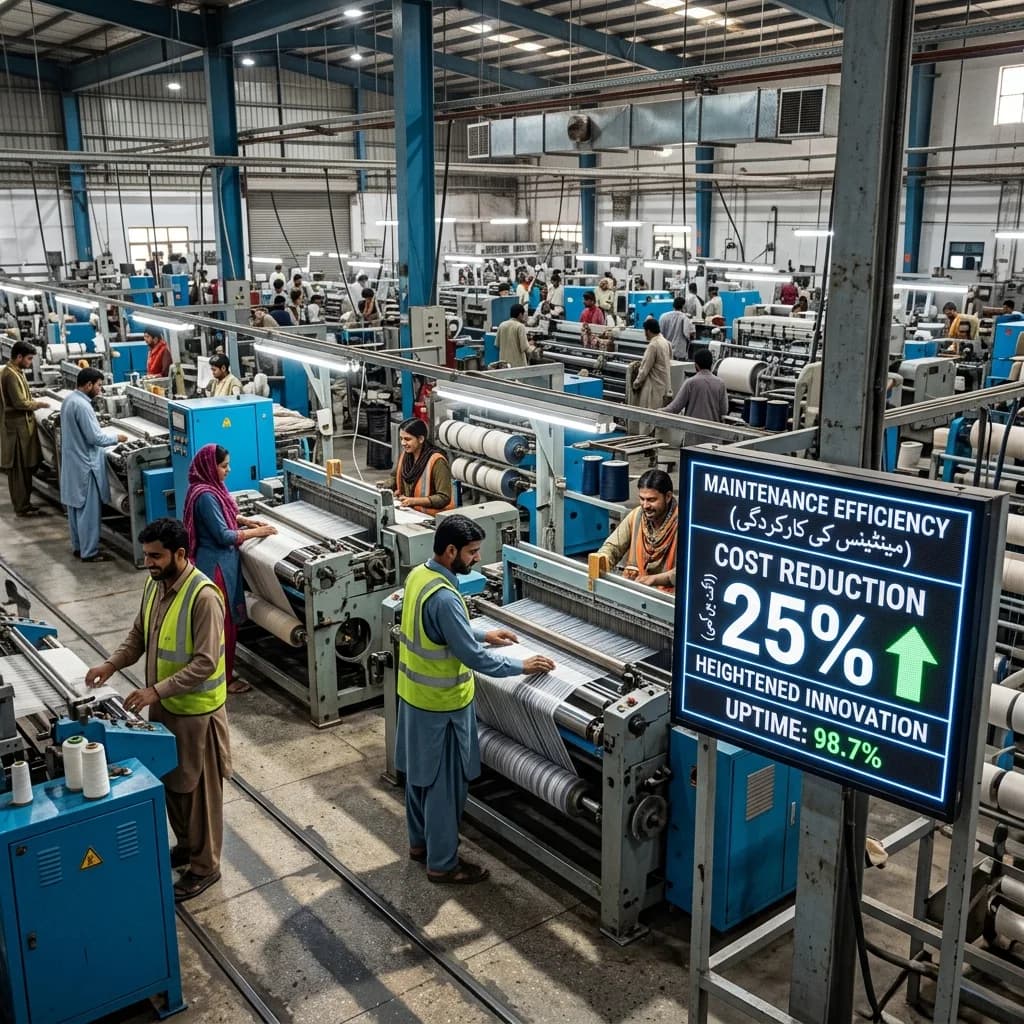
Maintenance costs are one of the most persistent drains on manufacturing budgets across Pakistan. Equipment breaks down without warning, spare parts pile up in storage, and technicians spend more time reacting to crises than preventing them. For plant managers in Karachi, Lahore, and Faisalabad, this cycle feels normal but it is costing factories millions of rupees every year.
This is exactly what a Pakistani factory had to deal with before it started using Mantrix, a modern piece of software made for industrial settings that manages repair. Within months of adoption, the factory achieved a 25% reduction in overall maintenance costs — without increasing headcount or capital expenditure.
This article explains what went wrong, what worked, and what other companies in Pakistan can learn from this.
The Maintenance Problem Most Pakistani Factories Know Too Well
One of the main things that drives up costs in manufacturing is unplanned downtime. Industry research shows that unplanned equipment failures can account for up to 40% of total maintenance expenditures in manufacturing environments. For factories in Pakistan, where operational margins are already tight, the impact is even more severe.
Before adopting Mantrix CMMS software, this Pakistani factory was dealing with a set of challenges that will sound familiar to most operations managers:
Unexpected failures of equipment that messed up production plans on a regular basis.
Reactive maintenance practices — repairs happened after breakdowns, not before
Bad handling of spare parts, which causes both shortages and too much inventory
No centralized data to track asset performance or identify failure patterns
High labor costs tied to inefficient technician scheduling
These weren't isolated issues. They were signs of an old factory repair management system that didn't allow for learning, adapting, or planning ahead. This is a problem that many of Pakistan's textile, food, and beverage factories have. beverage, and cement manufacturing sectors.
What Is CMMS Software and How Does It Reduce Maintenance Costs?
CMMS (Computerized Maintenance Management System) software is a digital platform that helps manufacturing facilities plan, track, and optimize all maintenance activity. Rather than relying on manual records or spreadsheets, a CMMS gives maintenance teams real-time visibility over every asset, work order, and spare part in the facility.
For Pakistani factories looking to reduce maintenance costs, CMMS software offers three core advantages:
Predictive maintenance: Detect faults on the tools before they break.
Workers can get to work quickly with automated work order ordering, which cuts down on overtime.
Inventory optimization — stock the right spare parts at the right time, cutting carrying costs
Mantrix is a maintenance management platform purpose-built for industrial environments in emerging markets like Pakistan. It combines predictive analytics, AI-powered diagnostics, and workflow automation to help factories shift from expensive reactive maintenance to cost-saving proactive maintenance.
How the Mantrix CMMS was set up in the Pakistani factory
The implementation followed a structured three-phase process designed for minimal disruption to ongoing production.
Phase 1: Maintenance Assessment and Planning
Mantrix's team began with a comprehensive audit of the factory's existing equipment, maintenance records, and workflows. This maintenance assessment identified the highest-risk assets and the areas where cost savings were most achievable — critical first step for any Pakistani factory transitioning to digital maintenance management.
Phase 2: CMMS System Integration
Mantrix was integrated with the factory's existing operational systems. Important machines were given sensors so that they could be monitored in real time, and old maintenance information was put into the platform to teach its predictive maintenance models.
Phase 3: Team Training and Onboarding
Employees in the factory, such as repair technicians and operations supervisors, received training that they could complete on their own. The goal was to ensure the team could act on the insights Mantrix provided, not just view them on a dashboard. For Pakistan's manufacturing workforce, this practical onboarding approach was essential to adoption success.
The steps that led to a 25% drop in maintenance costs
The 25% reduction in maintenance costs wasn't the result of a single change. It came from several connected strategies working together — each addressing a specific cost driver within the factory's operations.
1. Predictive Maintenance: Catching Problems Before They Become Breakdowns
The switch from reactionary to predictive maintenance was one of the most important ones. Mantrix monitored key equipment — including compressors, conveyor systems, and hydraulic machinery — and detected early warning signs of failure before they caused production halts.
Some motors made strange noises weeks before they were supposed to break down. The platform found these sounds. A scheduled repair cost a fraction of what an emergency breakdown would have — and prevented a full production shutdown that would have cost the factory significant revenue.
For Pakistani factories where unplanned downtime directly impacts export deadlines and customer commitments, this kind of early intervention has outsized financial value.
2. Smarter Spare Parts and Inventory Management
Before Mantrix, the factory struggled with a common paradox in Pakistan manufacturing maintenance: too many parts sitting unused, yet critical components frequently out of stock when needed.
Mantrix's inventory management tools analyzed consumption patterns and recommended optimal stock levels for each part category. The result:
Lower carrying costs on slow-moving spare parts
Less waste from expired or obsolete components
Fewer production delays caused by parts unavailability
This one thing alone made a big difference in lowering the general cost of factory maintenance.
3. Efficient Technician Scheduling and Resource Allocation
Mantrix automated the scheduling of routine maintenance tasks based on actual equipment usage and condition data — rather than fixed calendar intervals. This meant technicians were deployed where and when their work had the highest impact.
The results were clear:
Technician productivity improved
Overtime costs dropped significantly
Equipment lifespans extended because maintenance happened at the right time
For factories in Pakistan's industrial cities, like the textile mills in Faisalabad, the manufacturing hubs in Karachi, and the logistics operations in Lahore, better OEE (Overall Equipment Effectiveness) and lower running costs are directly linked to better maintenance scheduling.
4. Data-Driven Maintenance Decision Making
Perhaps the most lasting change was cultural. With Mantrix CMMS software providing clear, accessible data, the factory's management team began making maintenance decisions based on evidence rather than experience alone.
Regular performance reviews — powered by Mantrix's maintenance analytics and reporting tools — allowed the team to:
Identify recurring equipment failure patterns
Benchmark asset performance against industry standards
Continuously refine their preventive maintenance schedule
Making decisions based on facts instead of gut feelings is one of the most underrated ways that Pakistani production saves money on long-term maintenance costs.
Breaking Down the 25% Maintenance Cost Reduction
The overall factory maintenance cost reduction was achieved across several specific areas:
Area
Impact
Emergency repairs
Significant reduction through predictive maintenance interventions
Spare parts inventory
Lower carrying costs and reduced waste
Equipment lifespan
Extended through timely, condition-based maintenance
Technician labor costs
Reduced through smarter scheduling and fewer emergency callouts
Production downtime
Minimized by preventing unplanned equipment failures
Beyond the financial savings, the factory also experienced improvements in workplace safety — fewer emergency breakdowns meant fewer high-pressure situations where accidents are more likely — and a measurable improvement in Overall Equipment Effectiveness (OEE).
Key Lessons for Pakistani Factories Considering CMMS Software
The Pakistani factory's experience offers clear takeaways for other manufacturers across Pakistan weighing the move to modern maintenance management software.
Start with Your Highest-Risk Assets
Not every piece of equipment needs the same level of monitoring. Identify the machines where failures are most costly and begin there. This concentrates your CMMS investment where it matters most and delivers faster ROI — particularly important for cost-conscious facilities in Pakistan's industrial sector.
Invest in Training, Not Just Technology
The best CMMS platform in the world won't deliver results if the team using it doesn't understand how to act on the insights it provides. Onboarding and ongoing education are essential components of a successful maintenance management software implementation.
Treat Maintenance Data as a Long-Term Asset
The longer Mantrix operated at the factory, the more accurate its predictions became. Maintenance management platforms improve over time as they accumulate operational data — so early adoption pays compounding dividends. Pakistani factories that implement CMMS today will have a significant data advantage over competitors who wait.
Measure More Than Just Cost
Maintenance cost reduction is the headline metric, but track secondary indicators too: equipment uptime, technician productivity, parts availability, and safety incidents. These tell the full story of what modern maintenance management software delivers.
What This Means for Pakistan's Manufacturing Sector
The Pakistani factory's 25% maintenance cost reduction is a concrete proof point, but the broader implication is significant for Pakistan's industrial landscape.
Manufacturers in Pakistan that continue relying on reactive, calendar-based factory maintenance practices are leaving money — and efficiency — on the table. With increasing competition from regional manufacturers and growing pressure to meet international quality standards, maintenance optimization through CMMS software is no longer optional for serious operations.
Mantrix demonstrated that modern maintenance management isn't just for large enterprises with massive budgets. With the right implementation strategy, even facilities in cost-sensitive markets like Pakistan can achieve measurable, sustainable results.
Ready to Reduce Your Factory's Maintenance Costs?
If your Pakistani factory is facing similar challenges — unpredictable breakdowns, bloated maintenance budgets, or a lack of visibility into asset performance — the question isn't whether to modernize. The question is how soon.
Mantrix CMMS software is already helping manufacturing teams across Pakistan cut costs, reduce downtime, and build smarter maintenance operations.
Keep reading
More from the Mantrix blog
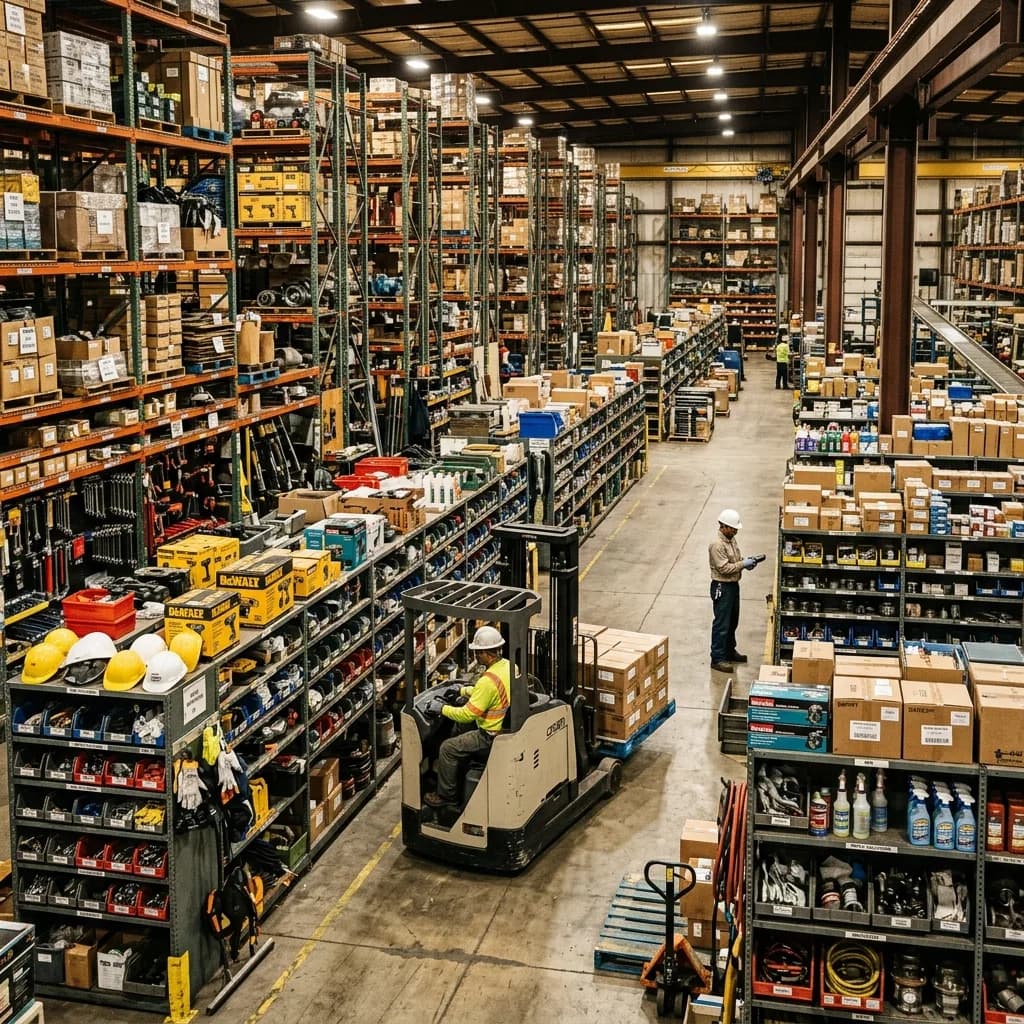
Best MRO Products for Manufacturing, Warehousing, and Facilities
Industrial processes that are safe and run smoothly depend on MRO (Maintenance, Repair, and processes) products. Picking the correct safety gear, lubricants,
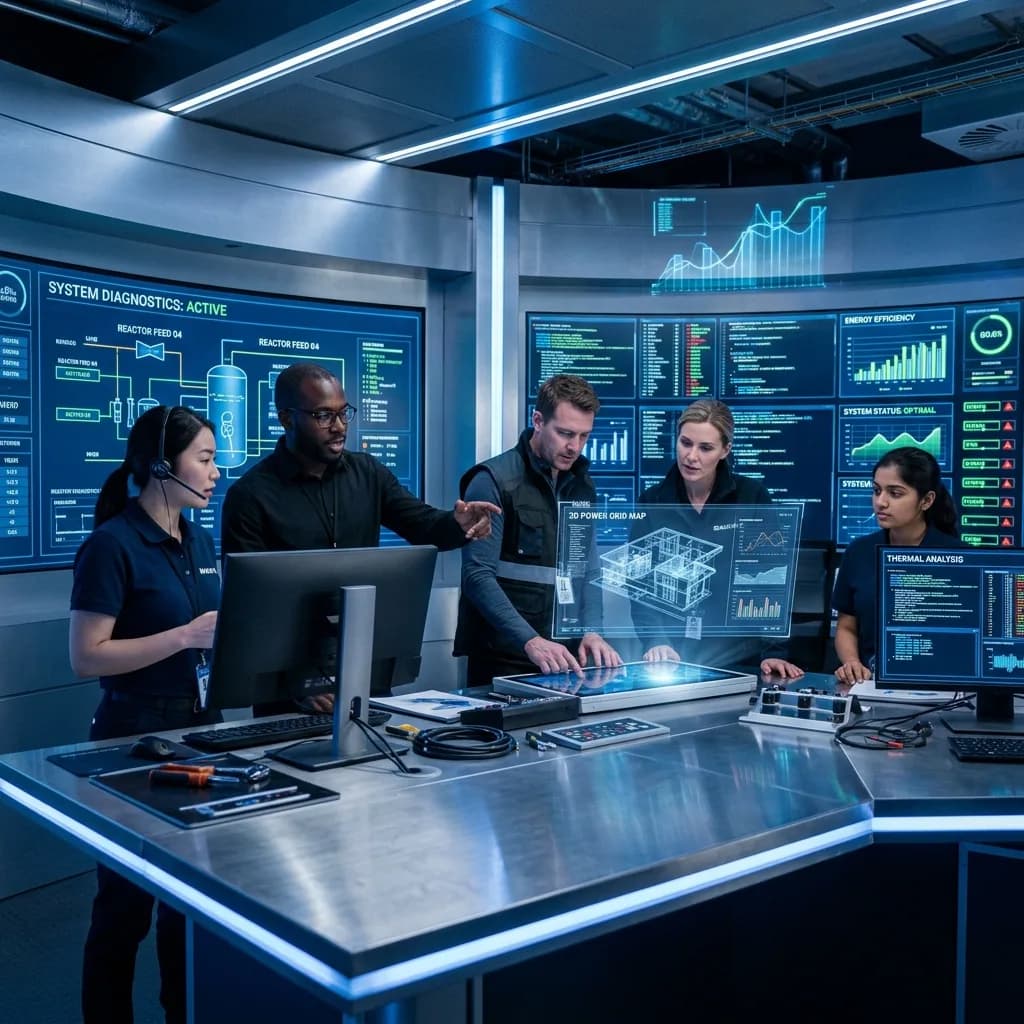
FMEA Explained: A Practical Guide to Smarter Risk Management
Organizations can find these risks early with FMEA's help. With FMEA, you don't have to wait for something to go wrong and then rush to fix it.
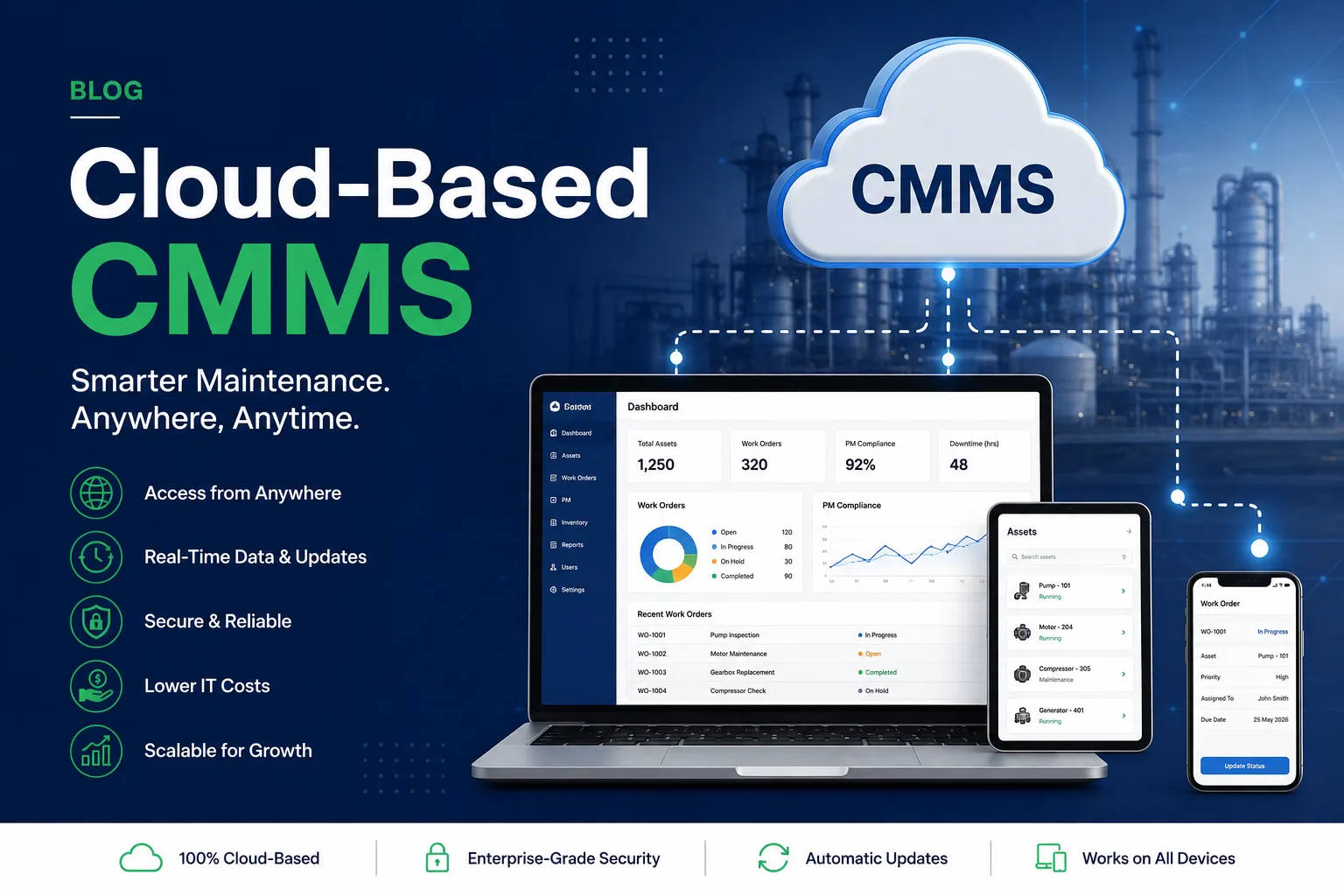
How Cloud-Based CMMS Improves Maintenance Operations
There are many benefits. Improving efficiency isn't the only goal; lowering costs and getting the most out of your investment (ROI) are also important.